
Produced by W2D1 Media. Work with us →
Day One
← All shows
Pick My Brain with Alan Jones
Presented by Galah Cyber & Deel · Day One Podcast · 23 Episodes

Pick My Brain with Alan Jones

Founders learn how to pitch their startup better, with Australia’s best startup pitch coach Alan Jones

Founders learn how to pitch their startup better, with Australia’s best startup pitch coach Alan Jones

Hosted by Alan ‘the nice one’ Jones, Pick My Brain is a Day One
® show. Day One is the podcast network dedicated to founders, operators, and investors.

Hosted by Alan Jones

Presented by Galah Cyber Deel
Episodes
25 June 2026

The Four-Quadrant Framework Every Solo Founder Needs | Neel Bhattacharya from LeadTrackAI
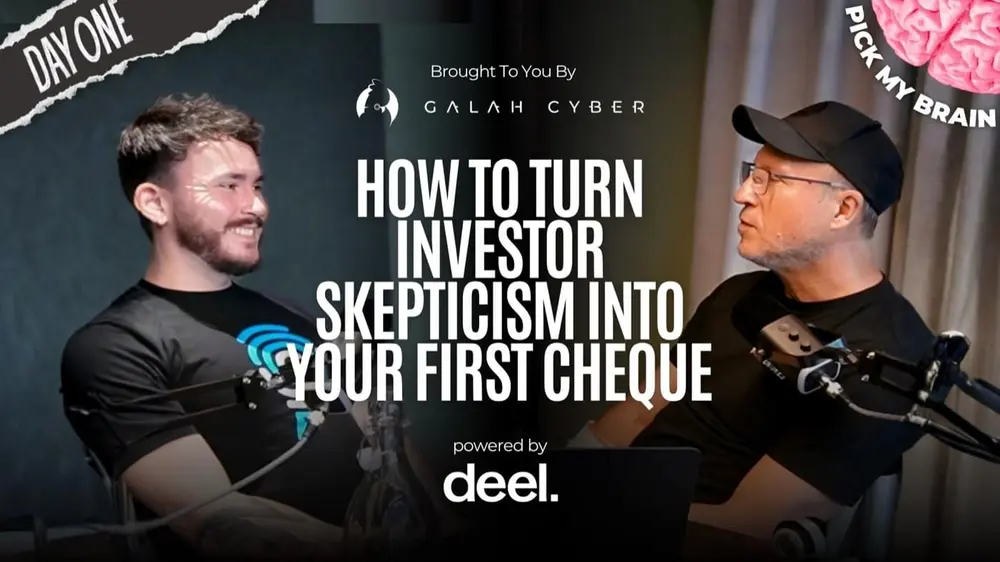
Neel Bhattacharya is the founder of LeadTrackAI, a platform built to solve one of the most common and costly problems in sales: leads that go cold because nobody followed up fast enough. After more than a decade in product management across the energy sector, Neel built an AI voice agent that calls

10 June 2026

The App Built to Stop Image-Based Abuse | Chris Fresle from Just Us
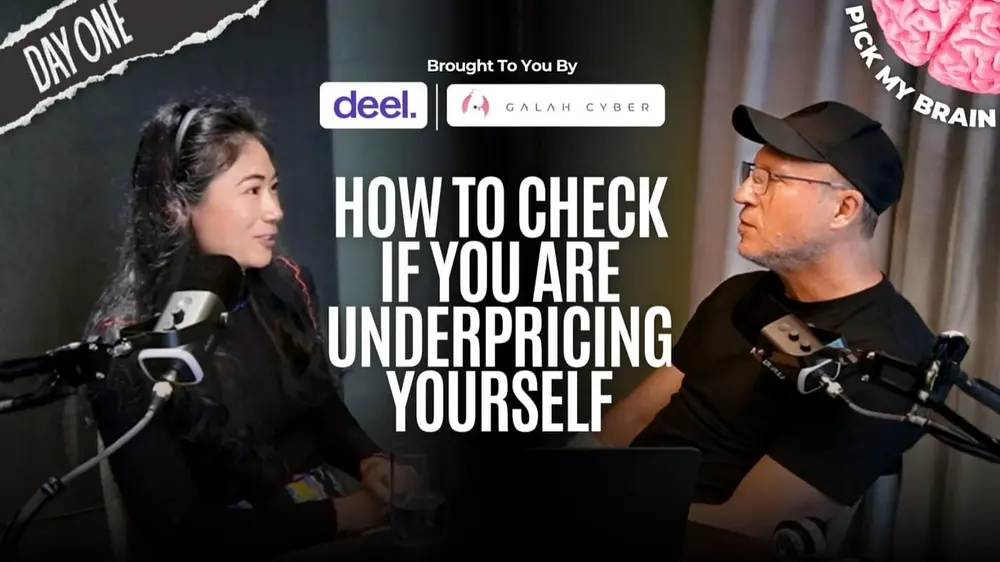
Most people think private messaging is already solved. Chris Fresle is proof it isn't. Chris Fresle is the founder of Just Us, a private messaging app built to prevent image-based abuse. He's a year nine dropout with no tech background, a patent pending across six countries, and a product that uses facial recognition and object detection to make private messages genuinely impossible to screenshot, forward, or capture on another device. In this episode, Chris joins Alan at the Cremorne Digital Hub in Melbourne to talk through how he built something everyone said was impossible, how he found and trusted a development team in Vietnam with no technical knowledge of his own, and how he's using survivor-led influencer marketing to build trust with a Gen Z audience that WhatsApp and Signal have never been able to reach. Stay until the end for Chris's take on why Australian investors are harder to crack than US investors, and Alan's advice on how to pitch a product that people struggle to believe actually works.

28 May 2026

How to Price Your Business So You Actually Take Home Enough | Quinnie Chen from Profit Plainly
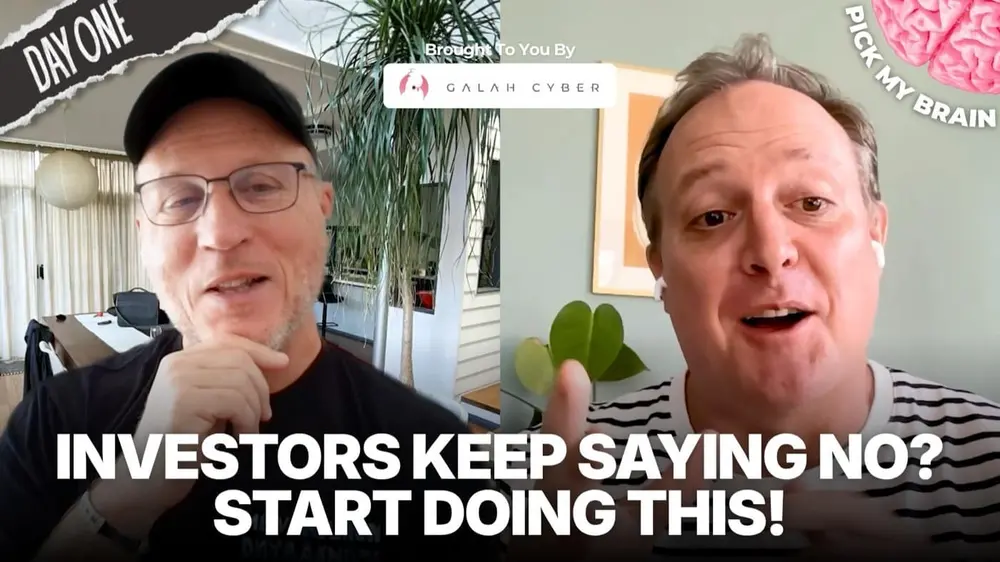
Quinnie Chen is the founder of Profit Profit Plainly, a web app built for solo founders and freelancers who have no finance team, no CFO, and no clear picture of whether their business is actually working for them. Quinnie built it to solve her own problem, after years of running a design and web development business on the side of her role at Canva, she kept reaching the end of the month and realising she had underpriced her work, taken on the wrong clients, and had no way of knowing what she actually needed to earn to replace a salary. In this episode, recorded live at the Cremorne Digital Hub in Melbourne, Quinnie joins Alan to talk through the early stages of bringing Profit Plainly to market. Alan challenges her to think more carefully about who her first customer really is, why accountants and bookkeepers might be her smartest go-to-market channel, and why per-usage pricing could unlock growth that a traditional SaaS model would block. It's a candid, practical conversation about the decisions every solo founder faces before they have any customers, any pricing, and any real clarity on where to focus. If you're building something early and trying to figure out where to start, this episode is for you.

29 April 2026

Why Investors Keep Saying No (And What to Do About It) | Justin Wastnage from Vloggi
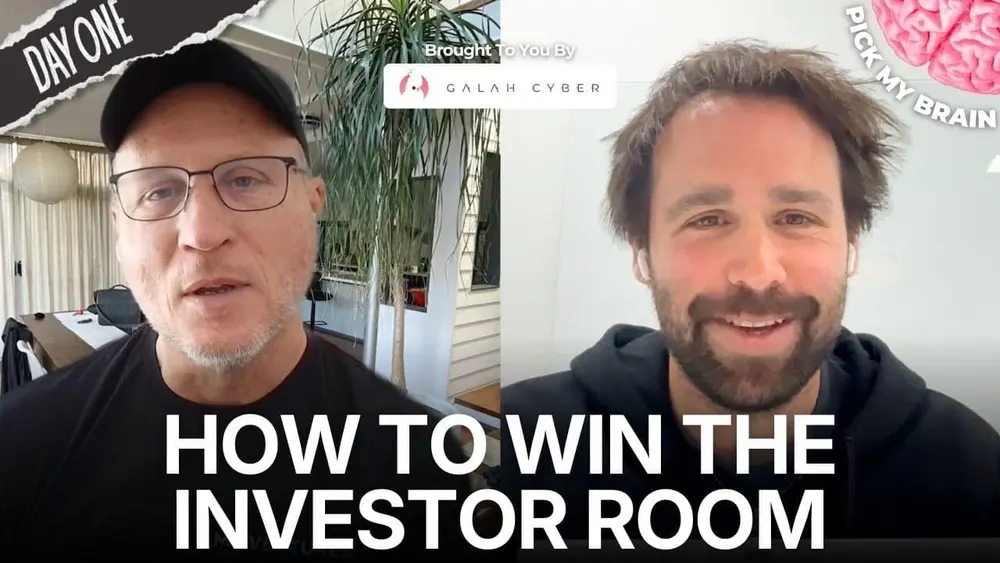
Justin Wastnage is the founder and CEO of Vloggi, a platform that transforms everyday mobile phone footage into trusted, structured, legally owned video assets for businesses and enterprises. What started as a tool for tourism boards to crowdsource location content has evolved, through COVID, multiple pivots, and years of customer-funded development, into an infrastructure layer that verifies, structures and processes video for some of the world's most compliance-heavy industries. In this episode, Justin joins Alan to talk honestly about the challenges of pitching a business that investors think they already know. Vloggi has worked with Major League Baseball, Netflix, the NSW Government, Google Ads and RFK's presidential campaign, yet raising in Australia remains stubbornly difficult. Alan digs into why that is and what Justin can do about it, from repositioning the pitch, to rebranding, to putting someone else in the room. If you're a founder who has pivoted hard but can't shake what investors remember about your old story, this one is for you.

18 April 2026

The Lazy Sales Tactic That's Hurting Your Business | Ben King from Aviato Consulting
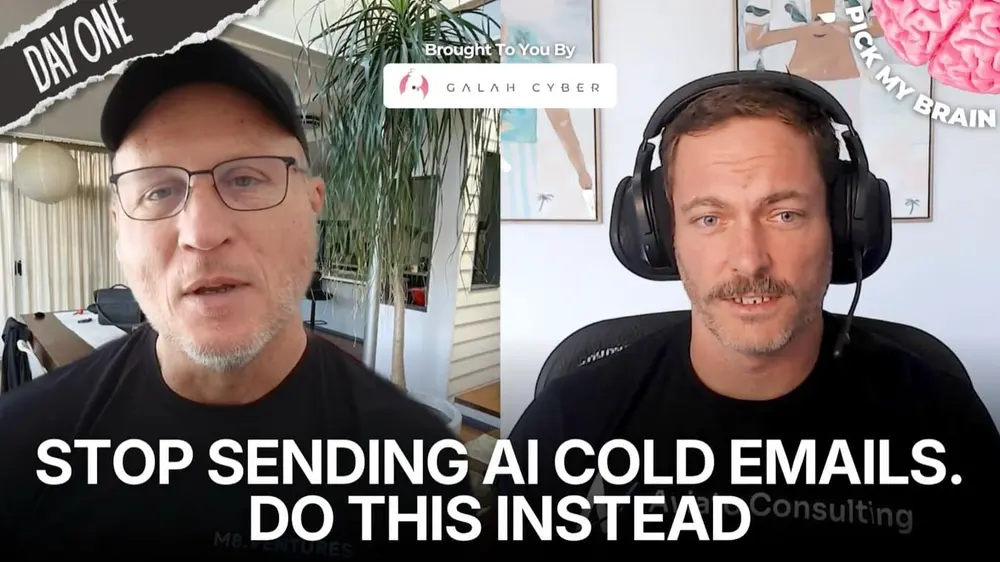
Ben King is the founder and CEO of Aviato Consulting, a software and AI consultancy that ranked sixth in the AFR Fast 100 this year. Before starting Aviato, Ben ran the app modernisation team for Google Cloud across Asia Pacific, and when he left, he built essentially the same thing, but leaner and on his own terms. The company now has 95 people across Australia, India and Singapore, with around half of all work being AI-related. In this episode, Ben joins Alan to talk about what it actually looks like to build and scale a technical consulting business in Australia, from the talent shortage that forces most serious engineering firms offshore, to the practical realities of using AI in production versus just prototyping. Ben is refreshingly direct about what works and what doesn't, including why he thinks signing a three-year deal with any AI provider right now is a mistake, why AI cold email campaigns do more damage than good, and why a physical piece of mail will outperform ten thousand automated messages every time. Alan challenges Ben on the right tech stack for founders heading into 2026, how to get the most out of free cloud credits before you raise, and what product managers still do better than any AI tool on the market. If you're a founder making decisions about how to build, who to hire, or which AI tools to trust with your business, this episode is worth your time.

18 March 2026

How to Turn Happy Customers Into Your Best Sales Channel
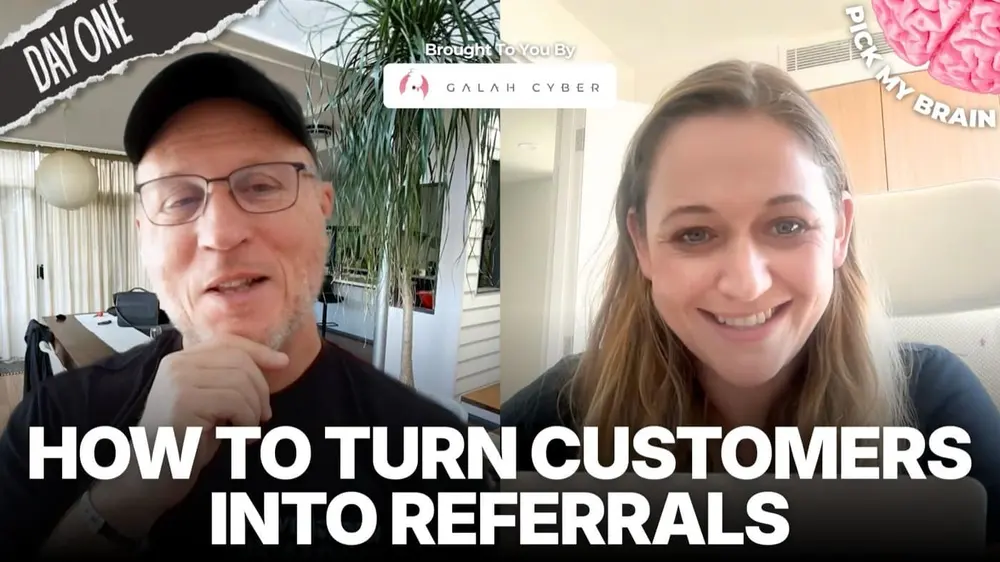
Most founders who've tried PR will tell you the same thing: it was a waste of money and they never got in the media. But when Marie Dowling digs deeper, the real answer is usually that they weren't involved enough to make it work. In this episode, Alan is joined by Marie Dowling, founder and CEO of Newsary, a hybrid AI and human PR platform built for startups and small businesses. Marie walks through how Newsary works, why PR is becoming the new SEO, and how she landed enterprise client Flixbus, generating over 300 pieces of Australian media coverage. Alan challenges Marie to think beyond founder-led sales, pushing her to consider referral incentives, agency partnerships, and her LinkedIn audience as scalable distribution channels. If you're a founder who's written off PR, this episode might just change your mind.

25 February 2026

How to Make Your Fintech Pitch Unforgettable | James Horan from Phinly
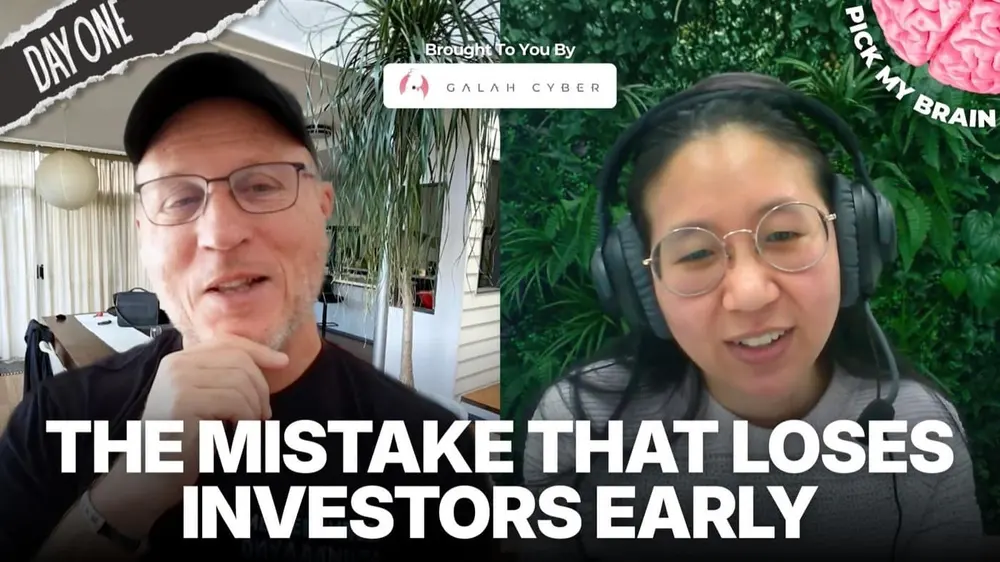
Consumers lose billions to scams and miss out on trillions in potential savings every year. So what if everyone had their own AI-powered financial assistant working 24-7? In this episode of Pick My Brain, Alan Jones is joined by James Horan, founder of Phinly, an AI-driven personal finance platform designed to help consumers automate savings, prevent fees, and optimise their financial lives. James walks through his live pitch for Phinly, outlining the problem with doom-scrolling money advice, the rise of AI agents in personal finance, and a bold vision for owning the AI money assistant category. Phinly connects to over 20,000 institutions, identifies cost savings opportunities, and enables one-tap actions from cancelling subscriptions to switching providers. With early partnerships secured, backing from a global AI accelerator, and a savings-based revenue model, the startup is raising $800,000 on a pre-seed SAFE to scale toward $4.5M ARR in 18 months. But Alan’s feedback goes deeper than traction and TAM. He challenges James to avoid blending in with every other AI fintech startup in the room. Instead of leaning purely on logic and numbers, Alan pushes for something more memorable: behavioural insights that surprise the audience about their own financial habits. The goal is simple. Make investors go home and say, “Did you know that…?” and have that sentence start with something you taught them. If you’re building in fintech, AI, or any crowded category, this episode is a masterclass in standing out when everyone else looks the same.

11 February 2026

How to Pitch Growth to Investors and Revenue to Publishers
If you have to pitch the same product to two totally different audiences, should you use one deck or two? In this episode of Pick My Brain, Alan Jones is joined by Michelle Chen, founder of Mental Jam, a startup turning real lived experiences of depression and anxiety into cozy, story-driven mobile games. Michelle is preparing to pitch in two worlds at once: to investors who care about venture-scale growth, and to game publishers who care about commercial upside and licensing rights. Alan breaks down why one pitch is rarely enough, and introduces a simple framework: three decks for each audience. A teaser deck to spark curiosity, a pitch deck to support your live story, and a leave-behind deck packed with detail for later review. They also get tactical about what makes a pitch land: fewer words on slides, stronger emotional delivery in the first 10 to 15 seconds, and building trust by keeping the audience focused on the founder, not the deck. Michelle also shares the real nerves behind pitching, including stage anxiety and how it impacts performance. Alan offers a mindset shift that helps founders separate their personal fear from the “role” they’re playing on stage, plus practical tips for pitching on video calls. They finish with concrete improvements: shorten the character section, add a clear team slide, and capture customer reactions on video to show emotional impact, not just quotes. If you’re pitching a product with multiple buyers, fundraising while still building, or struggling with confidence on stage, this episode is a masterclass in making your pitch clearer, shorter, and more human

29 January 2026

NiceGit: Making Git usable for everyone, not just engineers
What if your designers, PMs, and writers could safely ship changes to a codebase without waiting weeks for engineering backlog? In this episode of Pick My Brain, Alan Jones is joined by Dan Borthwick, founder of NiceGit, a startup rethinking source control for the reality of modern product teams. Dan pitches NiceGit as a single button way to use Git, keeping the power of version control while stripping away the terminal commands, scary UI, and workflow friction that locks non engineers out of making changes. Alan and Dan unpack why Git has become a productivity bottleneck as more of the world builds software, especially now that over half of GitHub’s users are not programmers. They explore the hidden cost of routing every small change through developers, from UX tweaks to copy updates, and why “good enough” often wins simply because teams cannot afford the delays. They also go deep on go to market strategy for technical products, including why engineers resist traditional marketing, how Atlassian used meetups and peer conversations to grow early, and how to think about whether you are selling a headache pill or a vitamin pill. Dan shares why game studios may be the ideal beachhead, how inbound interest is already forming through LinkedIn, and why team leads are often the real buyer even when end users feel the pain. Along the way, Alan offers practical guidance on positioning, taglines, multivariate testing messaging, and how to equip champions inside an organisation with the right “cheat sheet” to win internal buy in. They finish with sharp, Australia specific advice on fundraising timing, investor targeting, and why warm coffee conversations beat sending a deck too early. If you are building B2B SaaS, developer tools, or selling into teams with multiple stakeholders, this episode is packed with practical insight you can use immediately.

21 January 2026

How to Prove Impact in Mental Health Without Medical Data | Clement Baissat from Hope Stage
What do you do when your life story suddenly stops making sense? In this episode of Pick My Brain, Alan Jones speaks with Clement Baissat, founder of mental wellbeing startup Hope Stage, about a journey that doesn’t follow the usual startup narrative. It begins with ambition and company building, then runs into depression, bankruptcy, and a bipolar diagnosis that arrives with clarity, but no instructions. Clement shares growing up in France, knowing early that he wanted to build things on his own terms, and then spending years moving through startups, jobs, and burnout without understanding the patterns behind his highs and lows. A walk through a Paris park, a phone call to his mother, and two psychiatrists later, everything finally had a name. What remained unanswered was how to live with it. That question became the foundation of Hope Stage. Not as a breakthrough moment, but as a practical attempt to understand bipolar disorder, build stability, and keep functioning. The conversation covers community, acceptance, routine, and the everyday systems that make progress possible, from sleep and structure to professional support. It also touches on why conditions like bipolar disorder and ADHD appear so often among founders. As always, the discussion stays grounded and conversational. Alan brings curiosity and humour as they talk through business models, pricing, NGOs versus startups, and what it means to build something meaningful with limited resources. This episode is about working with reality rather than fighting it, about replacing guesswork with systems, and about turning personal experience into something that may help others.

14 January 2026

How to Pitch Deep Tech to Investors With Competing Priorities

Could real meat grown without animals be cheaper than traditional farming? And could Australia become one of the best places in the world to launch it? In this episode of Pick My Brain, Alan Jones is joined by Paul Bevan, founder of cultivated meat startup Magic Valley, to explore how second-generation food tech is reshaping the economics and investability of cultivated meat. Paul pitches Magic Valley’s approach to growing real meat from animal cells, without livestock, and explains why minced products like lamb and pork are the logical first step to reaching commercial scale. Alan and Paul unpack why earlier cultivated meat companies struggled, how advances in equipment and cell culture media have dramatically lowered costs, and what that means for investors assessing deep tech risk today. They also dig into Australia’s surprisingly strong regulatory framework for novel foods, Magic Valley’s decision to launch locally first, and how to raise deep tech capital without burning hundreds of millions of dollars. Along the way, Alan shares practical advice on investor communication, momentum, and signalling progress, while Paul reflects on the challenge of telling one coherent story to impact investors, deep tech funds, and commercial partners at the same time. If you are building in food tech, climate tech, deep tech, or navigating complex investor messaging, this episode is packed with hard-earned insight.

24 September 2025

How CarbonHQ Is Digitising the Broken Carbon Credit Market - with Allen Fan
Carbon credits are meant to help the world fight climate change, but the reality is messy: project developers are still managing everything in spreadsheets, emails, and PDFs, making credits slow, opaque, and hard to trust. In this episode of Pick My Brain, Alan Jones sits down with Allen Fan, co-founder of CarbonHQ, a B2B SaaS startup building the operating system for carbon project developers. Together they unpack how CarbonHQ is cutting issuance time from months to weeks, why credibility and transparency matter as much as climate impact, and what it really takes to sell software in a market still run on paper. Allen also shares how he met his co-founder through a layoff talent directory, why sales never came naturally to him, and how repeated “reps” are helping him get better. Alan Jones dives in with advice on pricing strategy, investor communications, and building trust through authentic storytelling, the real ingredients behind startup growth. Whether you’re tackling climate tech, B2B SaaS, or just wrestling with sales as a founder, this episode is packed with practical takeaways.

27 August 2025

Cole Cornford on Protecting Startup Attack Surfaces | Galah Cyber

For most founders, cybersecurity feels like something to worry about “later.” But what if ignoring it now could kill your business before it even gets off the ground? In this episode of Pick My Brain, Cole Cornford, founder of Galah Cyber, joins Alan Jones to unpack the real security risks early-stage startups face, and why they’re not always the ones you expect. Forget hoodie-wearing hackers: the bigger risks might be your Instagram account, your payments funnel, or the invoices sitting in your inbox. Alan and Cole explore how to think about attack surfaces without jargon, when frameworks like ISO and SOC 2 actually matter, and why introducing just the right amount of friction can save you from catastrophic mistakes. They also talk branding, talent, and how Galah’s bright pink approachability helps win the right kind of customers. If you’re building a B2B SaaS startup or scaling towards enterprise clients, this episode will help you avoid costly security missteps and focus on the protections that really matter.

13 August 2025

The 4 Things Every Investor Wants to Hear in Your Pitch

Tap, beep, done. Australia’s payment experience is one of the world’s most convenient, but also one of the most expensive. Small businesses lose thousands a month in card and scheme fees, while everyday Australians pay hundreds each year just to access their own money. In this episode of Pick My Brain, Gaurav Rana, co-founder of GANI Pay, joins Alan Jones to pitch his mobile-first payment platform designed to bypass the legacy card system entirely. GANI Pay uses NPP, PayID, and PayTo to enable instant, secure QR payments, with flat monthly fees for merchants and cash-back rewards for consumers. Alan and Gaurav dig into the economics of “tap and go,” how to convince both merchants and customers to switch, and why regulatory trust is just as important as slick tech in fintech. They also explore GANI Pay’s go-to-market focus on high-volume, low-ticket retailers, and what it takes to turn a payment product into a movement. If you’re building in fintech, payments, or tackling an entrenched incumbent, this is a masterclass in pitching, positioning, and finding your wedge.

30 July 2025

How to Stand Out in a Sea of AI Wrappers: Elena Tsalanidis on Selling B2B SaaS into Law Firms
Would you trust AI to help close a multi-million dollar acquisition? That’s exactly what Deeligence is helping lawyers do faster and with fewer headaches. In this episode of Pick My Brain, Elena Tsalanidis, co-founder of Deeligence joins Alan Jones to pitch her AI-powered legal tech startup. Elena shares how her platform streamlines the M&A due diligence process for lawyers, cutting review time in half while delivering greater accuracy. Alan and Elena dive deep into B2B SaaS sales strategy, how to stand out in a sea of AI wrappers, and what actually makes a startup defensible when everyone’s using the same language models. They explore how founders can navigate complex enterprise sales cycles, why law firms resist change, and how product distribution (not tech) is the real moat. If you’re building in legal tech, enterprise AI, or B2B SaaS, you’ll want to take notes.

16 July 2025

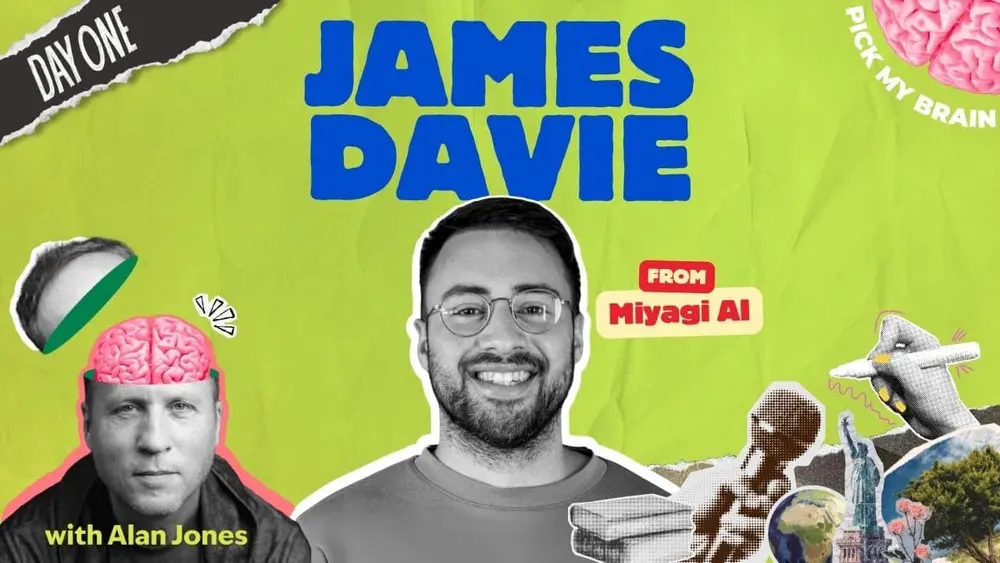
How to Build a Community-Led Startup | with James Davie from Miyagi

James Davie is the Co-founder and CEO of Miyagi, an AI-powered platform helping tech companies run more efficient and engaging online communities. In this episode, Alan sits down with James to explore what it takes to build a startup when you’ve never sold a thing in your life, and why community might just be the next frontier in customer experience. They talk founder-led sales, credibility building on LinkedIn, and how James is navigating the messy middle between MVP and product-market fit. You’ll also hear real insights into Miyagi’s pilot customers, the importance of owning your distribution channel early, and why building your personal brand can unlock your first 100 users, even before the product is “done.” This is essential listening for early-stage founders, community managers, and product leaders who know the power of customer engagement, but also know how hard it is to scale it.

2 July 2025

Hiring in 27 Seconds: Luke Marshall on Growth, Gen Z & Video-First Recruitment with UseVerb
Can a 27-second video replace a cover letter? In this episode, Alan sits down with Luke Marshall, Head of Growth at UseVerb, a startup reinventing the way frontline teams hire with short-form video job applications. Luke shares his journey from big-budget media agencies to lean startup teams, the lessons learned from building and rebuilding UseVerb, and why Gen Z is redefining how we think about recruitment, content, and connection. You’ll hear why UseVerb is doubling down on portrait video, how they’re targeting multi-location retailers and hospitality groups, and what their experiments in landing pages, email outreach, and TikTok-style branding have revealed so far. If you’ve ever tried hiring at scale or building a startup in a noisy market, Luke’s insights on growth, product-market fit, and trust-based hiring will hit home.

18 June 2025

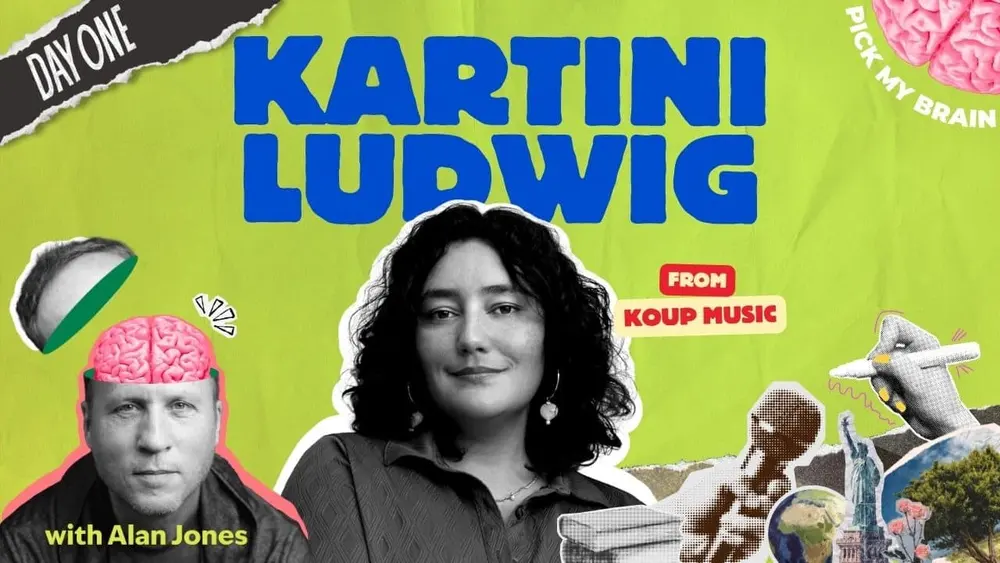
How to Build Ethical AI for Artists: Kartini Ludwig Pitches Koup Music
Would you play a guitar without tuning it? Of course not. So why use AI music tools that you can’t control? That’s the thinking behind Koup Music. In this episode of Pick My Brain, Kartini Ludwig, co-founder and CEO of Koup Music, shares her vision for an ethical, artist-first AI music platform. Kartini explains how Koup allows artists to fine-tune and collaborate with AI models to unlock new sonic possibilities, while still maintaining creative control. Alan Jones dives deep into Koup’s pitch, offering tactical advice on simplifying IP rights, presenting a stronger fundraising narrative, and testing paid marketing before hiring a CMO. They also explore why community-driven tools need clear go-to-market strategies, and how to make investors feel safe in uncharted territory.

4 June 2025

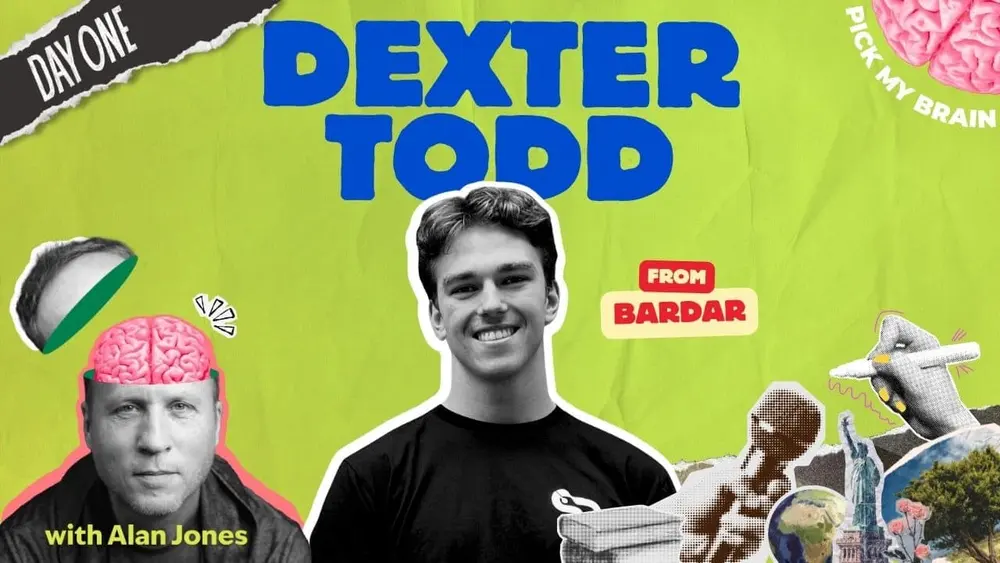
How Bardar Pivoted: Dexter Todd’s Festival Data Playbook
Imagine navigating a festival with ease, knowing exactly where to go, how busy each venue is, and what’s happening around you. That’s the vision behind Bardar, an app revolutionising the festival experience.

21 May 2025

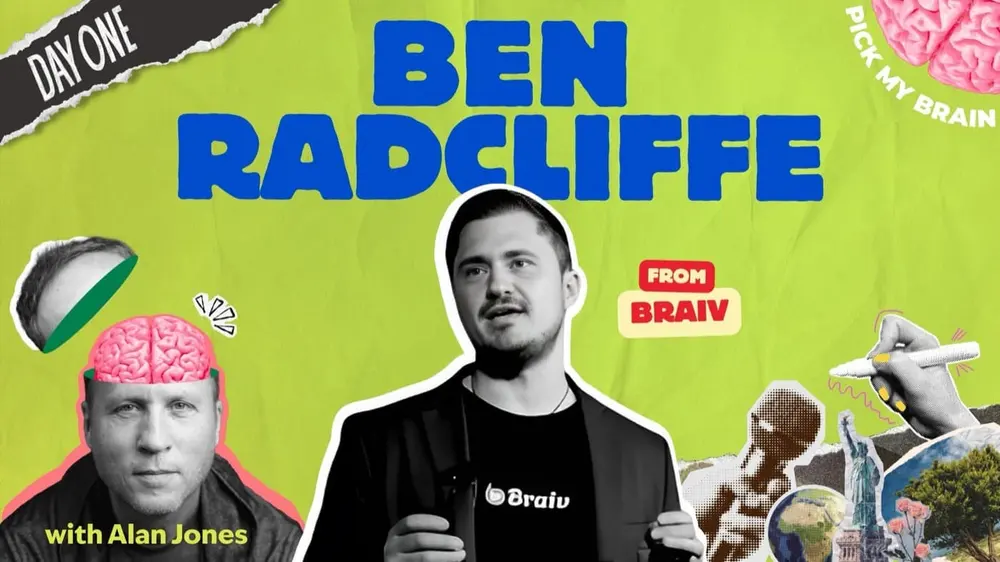
How to Hook Investors: Alan Jones Breaks Down Braiv’s Winning Pitch

Imagine translating, dubbing, and captioning a full video course in multiple languages, automatically, in minutes, and at a fraction of the cost. That’s exactly what Ben Radcliffe and his team at Braiv are building.

7 May 2025

Would You Rent Your Backyard for Events? Kabir Arora from Backya Thinks You Should
Kabir Arora is the co-founder of Backya, a fresh take on the events marketplace—connecting homeowners with underused backyards to people who need affordable, outdoor spaces to celebrate. In this episode, Kabir walks Alan through his pitch and early traction, including $2K in bookings and a growing network of yard hosts and service providers. Alan shares advice on investor decks, creating emotional hooks, and why a short video from your co-founders might just seal the deal. It’s the perfect listen for first-time founders and anyone building a marketplace from scratch.

23 April 2025

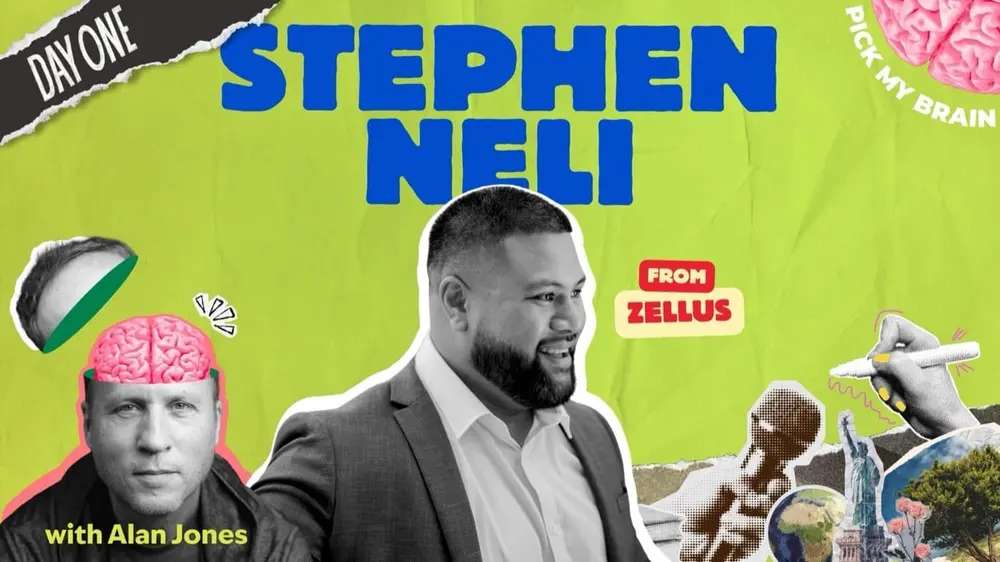
Late Payments, Big Problems: Stephen Neli on Fixing Small Biz Cash Flow with Zellus
Stephen Neli is only six weeks into building Zealous, but he’s already going after one of small business’ biggest problems—late payments. In this episode, he shares the origin story behind Zealous, how he’s pitching investors and customers, and what it’s like starting up solo (with a lot of heart and a little help from Figma). Alan breaks down his pitch, offers advice on finding a tech co-founder, and chats about that sneaky startup sidekick: imposter syndrome. If you’re an early-stage founder, this one’s packed with gold.

9 April 2025

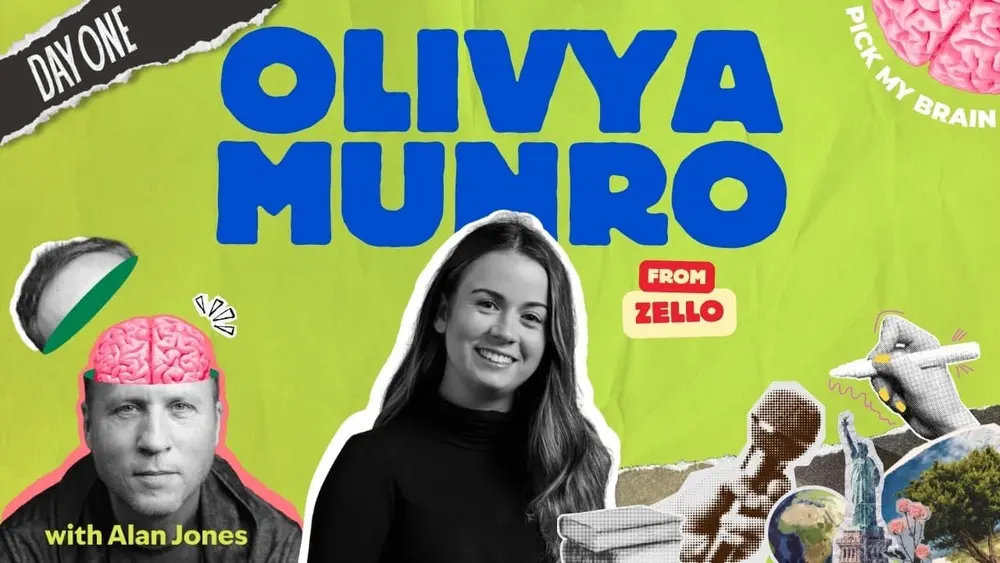
Fixing Fitting Rooms (and Startup Pitches) with Olivya Munro

Olivya Munro, founder of Zello Studio, is on a mission to transform fitting rooms with smart tech. She shares how a frustrating shopping experience sparked the idea for Zello, how she turned that idea into a startup, and why retailers are eager to get on board. Alan puts her pitch to the test, offering advice on storytelling, investor questions, and scaling in a tech-resistant industry. Whether you’re a founder refining your pitch or just love a good startup origin story, this episode is packed with insights.

Produced by W2D1 Media

Turn podcasting into pipeline

We're the team behind the Day One Network and Blackbird's Wild Hearts. We help founders, funds and operators build trust, authority and deal flow with a show tailored to their market.

Investors

Win better deals and stay top‑of‑mind with founders.

Book a call →

Founders & Operators

Close more deals and build a category you own.

Book a call →

Sponsors

Reach founders and operators with a show they trust.

Book a call →